Love this? Save it for later!
Share the inspiration with your friends
It is 6:15 AM on a Tuesday in late October, and the only thing I want is these moist gluten-free pumpkin muffins with almond flour. The house is still holding its breath from the night before. There is no coffee brewing yet, just the faint, gray light filtering through the kitchen window and the smell of old rain against the glass. I stand at the counter, alone, with a bowl of almond flour that feels cool and gritty under my fingertips.
People talk about baking like it’s a performance. They talk about golden hours and perfect plating and the Instagrammable rise of a crust. But honestly, some mornings, baking is just a way to keep your hands busy while your mind catches up to the day ahead. I don’t need a crowd. I don’t need an audience. I just need the quiet company of yeast and sugar and the promise of something warm.
This recipe isn’t for a holiday brunch or a party. It’s for the slow, quiet moments. The kind where you pull a muffin from the tin and blow on it for too long because you can’t wait. The texture is different from traditional wheat muffins. It’s denser, yes, but in the best way. Almond flour brings a richness that wheat just can’t mimic. It’s nutty and soft, like a hug in food form.
I’ve made these dozens of times. Sometimes I add extra cinnamon. Sometimes I skip the sugar and rely on the pumpkin’s natural sweetness. But the core remains the same. It’s about balance. It’s about finding a rhythm in the mixing bowl. When you close your eyes and take that first bite, the spice warms your chest, and the almond flour melts on your tongue. It’s simple. It’s real. And it’s exactly what the day needs before it even begins.
Why You’ll Love This Gluten-Free Pumpkin Recipe
There is a specific kind of magic that happens when you swap out wheat flour for almond flour in a pumpkin recipe. It’s not just about being gluten-free; it’s about unlocking a depth of flavor that traditional baking often misses. I spent years trying to replicate the texture of my grandmother’s wheat-based muffins, and let’s face it, they never quite worked. They were dry. They were crumbly. They tasted like they were trying too hard.
Then I found almond flour. And everything changed. This isn’t just another diet recipe that sacrifices taste for health. It is, quite simply, the best version of a pumpkin muffin you will ever eat. Here is why this recipe has become a permanent fixture in my kitchen routine:
- Unbelievably Moist Texture: Almond flour has a high fat content compared to wheat. This natural oil keeps the muffins incredibly moist for days. You know that feeling when you eat a muffin two days later and it’s still soft? That’s this recipe. No drying out. No cardboard-like crusts.
- Simple, Wholesome Ingredients: You don’t need a chemistry set to make these. No xanthan gum (usually), no weird starches. Just almond flour, real pumpkin puree, eggs, and warm spices. It’s clean eating that doesn’t feel like a chore. If you have a pantry staple like coconut sugar or maple syrup, you are already halfway done.
- Perfect for Cozy Mornings: These are not loud muffins. They don’t demand attention. They are perfect for a quiet breakfast, a mid-afternoon snack with tea, or even a late-night treat. They pair beautifully with a black coffee or a glass of warm milk. It’s comfort food without the heaviness.
- Crowd-Pleaser Regardless of Diet: Even if your guests aren’t gluten-free, they will love these. The nutty flavor profile elevates the pumpkin spice, making it taste gourmet rather than artificial. I’ve served these at work potlucks, and the gluten-free crowd goes wild, but so do the regular eaters who can’t believe they are gluten-free.
- Healthier Comfort: Almond flour is lower in carbs and higher in protein than all-purpose flour. It adds a boost of vitamin E and healthy fats. You get the satisfaction of a sweet treat without the sugar crash. It’s a guilt-free indulgence that actually fuels your body.
What makes this recipe different from the rest is the balance of moisture. Many gluten-free pumpkin recipes turn out dry because almond flour absorbs liquid differently. By using real pumpkin puree and a bit of oil or butter, we create a batter that is thick and rich. It bakes into a muffin that is tender enough to break apart with your fingers but sturdy enough to hold its shape. It’s the kind of muffin that makes you close your eyes after the first bite. It’s soul-soothing. It’s simple. And it’s the only pumpkin muffin you’ll ever need.
What Ingredients You Will Need
Making moist gluten-free pumpkin muffins doesn’t require a trip to a specialty health food store. Most of these ingredients are likely sitting in your pantry or fridge right now. The key to success here is quality. Since there are fewer ingredients, each one plays a starring role. You can’t hide behind heavy spices if your pumpkin is watery or your almond flour is rancid.
Here is what you need to gather. I’ve broken it down by function to help you understand how they work together.
- For the Dry Base:
- Almond Flour: This is the star. Use fine, blanched almond flour. Coarser grinds can make the muffins gritty. I prefer brands like Bluebird or Honeyville for their consistent texture. It provides the structure and the nutty flavor that wheat usually supplies.
- Baking Powder: You need fresh baking powder for the rise. Old baking powder won’t work, and you’ll end up with flat, dense discs. Check the date on your tin. Two teaspoons should be enough for this batch.
- Baking Soda: A small amount helps neutralize the acidity of the pumpkin and brown sugar, aiding in browning. Half a teaspoon is perfect.
- Salt: Never skip the salt. It balances the sweetness and enhances the pumpkin flavor. Use about half a teaspoon of kosher salt.
- Spices: Cinnamon, ginger, nutmeg, and cloves. I use a pre-made pumpkin pie spice blend for convenience, but mixing your own is more aromatic. One and a half teaspoons total is the sweet spot.
- For the Wet Mix:
- Pumpkin Puree: Not pumpkin pie filling. Pure, unsweetened pumpkin puree. Canned is fine, but if you can roast your own, it’s better. Make sure it’s not watery. If it is, strain it through a cheesecloth. Excess water is the enemy of moist muffins.
- Eggs: Large eggs. Room temperature eggs blend better into the batter. They provide structure and richness. Two eggs are all you need.
- Oil or Butter: I use melted coconut oil for a dairy-free option, but unsalted butter adds a classic richness. About half a cup is needed to keep the crumb tender.
- Sweetener: Brown sugar or coconut sugar. Brown sugar adds moisture and a caramel note. Coconut sugar is a lower-glycemic alternative that works beautifully here. About three-quarters of a cup.
- Vanilla Extract: A good quality vanilla adds warmth. One teaspoon is standard, but don’t be shy. It complements the pumpkin perfectly.
- Optional Add-Ins:
- Chopped Pecans or Walnuts: For crunch. Toast them first for extra flavor.
- Chai Spice: Swap some cinnamon for chai spice for a different profile.
Substitution tips: If you are nut-free, you can use oat flour, but the texture will be different. You might need to add a little extra liquid. For a dairy-free version, just stick with the coconut oil. The key is to keep the wet-to-dry ratio balanced.
Equipment Needed
You don’t need a fancy kitchen to make these muffins. In fact, simplicity is part of the appeal. Here is what you’ll need to get started.
- Muffin Tin: A standard 12-cup muffin tin is ideal. If you want smaller snacks, use a mini muffin tin. For best results, line them with paper liners. This makes cleanup a breeze and prevents sticking, which is common with almond flour.
- Mixing Bowls: You need two bowls. One for dry ingredients and one for wet. Medium-sized stainless steel or glass bowls work best. They are easy to clean and don’t retain odors.
- Whisk: A simple wire whisk is all you need to combine the dry ingredients evenly. Make sure there are no lumps of baking powder or spices.
- Fork or Spatula: For mixing the wet ingredients. A fork works well to beat the eggs and oil together. A silicone spatula is good for folding the batter gently to avoid overmixing.
- Cooling Rack: Essential. Muffins need to breathe after baking. If you leave them in the hot pan, the bottoms will get soggy. A simple wire rack allows air to circulate.
- Measuring Cups and Spoons: Accuracy matters in gluten-free baking. Almond flour packs differently than wheat flour, so level off your cups. Use liquid measuring cups for the oil and pumpkin.
Personal tip: I recommend using a digital scale for the almond flour if you can. It’s more accurate than cups and ensures consistency. But if you don’t have one, just be gentle with the cup. Don’t pack it down.
Preparation Method
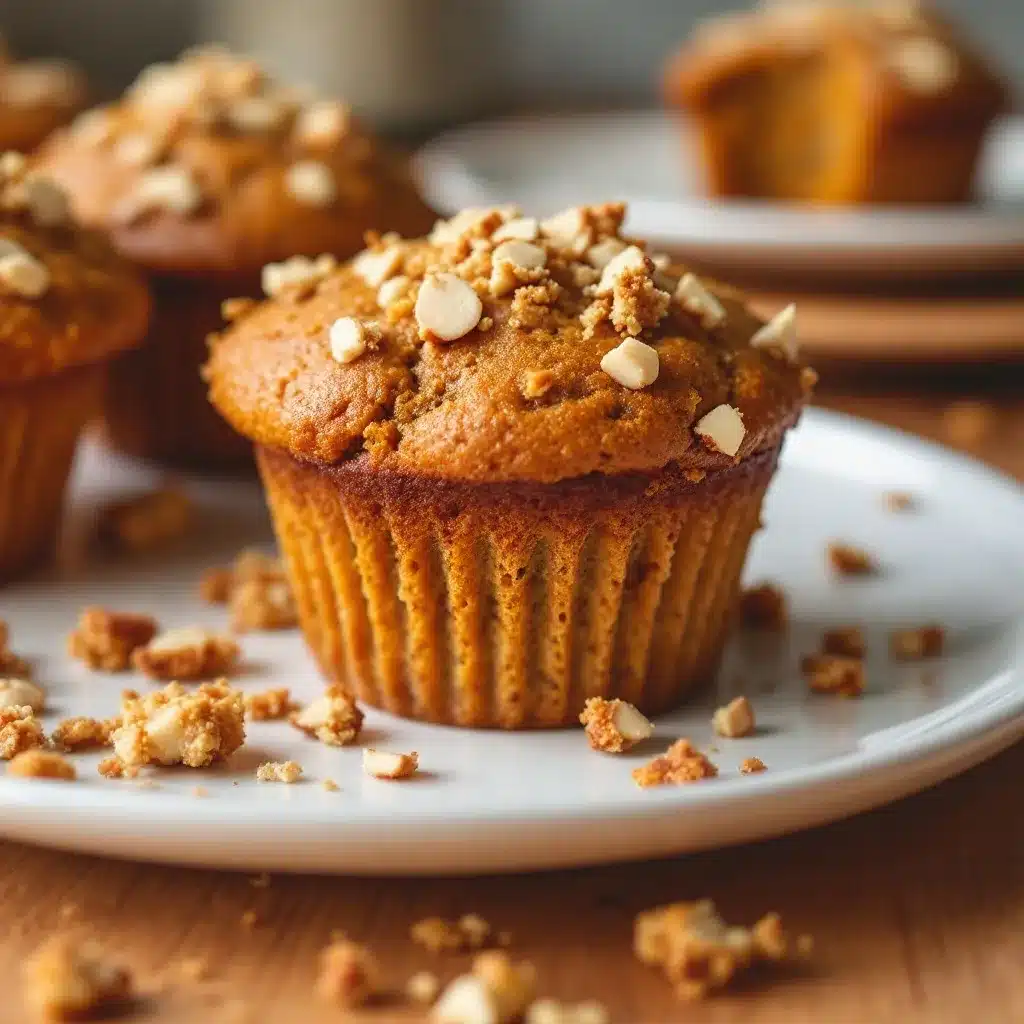
Making these muffins is straightforward. The hardest part is waiting for them to cool. Here is how to do it right, step by step.
- Preheat and Prep (5 minutes): Turn your oven to 350°F (175°C). This is crucial. If the oven isn’t hot enough, the muffins won’t rise properly. Line your muffin tin with paper liners. This saves time on cleaning and ensures easy removal.
- Mix Dry Ingredients (2 minutes): In your medium bowl, whisk together the almond flour, baking powder, baking soda, salt, and spices. Whisk vigorously. You want to distribute the baking powder and spices evenly. If you miss a spot of baking soda, you’ll get a soapy taste. Take your time here.
- Mix Wet Ingredients (3 minutes): In a separate bowl, whisk the eggs until they are lightly beaten. Add the pumpkin puree, melted coconut oil (or butter), brown sugar, and vanilla extract. Whisk until the mixture is smooth and uniform. The sugar should mostly dissolve into the oil. It should look glossy.
- Combine Wet and Dry (2 minutes): Pour the wet mixture into the dry ingredients. Use your spatula to fold them together. Stop as soon as the flour disappears. Do not overmix. Almond flour doesn’t have gluten, so it doesn’t need kneading. Overmixing can make the muffins tough. The batter should be thick and sticky. It will look quite wet compared to wheat muffin batter. That’s okay.
- Fill the Tins (2 minutes): Divide the batter evenly among the 12 muffin cups. Use a cookie scoop if you have one for even sizing. Fill each cup about two-thirds full. If you want a tall muffin top, fill them closer to three-quarters, but watch for overflow.
- Bake (20-25 minutes): Place the tin in the center of the oven. Bake for 20 to 25 minutes. The muffins are done when a toothpick inserted into the center comes out clean or with just a few moist crumbs. They should be golden brown on top. Do not open the oven door too early, or they might collapse.
- Cool (15 minutes): Remove the tin from the oven. Let the muffins sit in the tin for 5 minutes. Then, transfer them to a cooling rack. This step is important for the texture to set. If you eat them too hot, they might crumble. Let them cool until they are warm to the touch.
Troubleshooting tip: If your muffins are browning too fast on top but are raw in the middle, cover them loosely with aluminum foil for the last 5 minutes of baking. This shields the tops from direct heat.
Cooking Tips & Techniques
I’ve learned a few things the hard way while perfecting this recipe. Here are some tips to ensure your muffins turn out perfect every time.
- Check Your Pumpkin: The biggest mistake people make is using watery pumpkin puree. If you use fresh pumpkin, roast it until tender, then blend it and strain it through a fine-mesh sieve for at least 30 minutes to remove excess water. Canned pumpkin is usually fine, but give it a stir. If there’s liquid on top, pour it off.
- Room Temperature Ingredients: Make sure your eggs and pumpkin are at room temperature. Cold ingredients can seize the batter, leading to a curdled look. It’s a small step, but it makes a big difference in texture.
- Don’t Overbake: Almond flour muffins continue to cook slightly after being removed from the oven. Take them out when the toothpick has a few moist crumbs, not when it is bone dry. Overbaking is the fastest way to dry them out.
- Storage is Key: These muffins are best stored in an airtight container. They stay moist for up to four days in the refrigerator. In fact, I find they taste even better on the second day as the flavors meld together.
- Freezing for Later: You can freeze these muffins for up to three months. Wrap them individually in plastic wrap and place them in a freezer bag. Thaw them at room temperature or warm them in the microwave for 30 seconds.
Personal failure: I once tried to make these with whole almonds ground in a food processor. The grind was too coarse, and the muffins were gritty. Always use pre-ground almond flour for a smooth texture. It’s worth the extra cost.
Variations & Adaptations
This recipe is a canvas. You can tweak it to fit your dietary needs or taste preferences. Here are some ideas that have worked well in my kitchen.
- Dairy-Free: This recipe is naturally dairy-free if you use coconut oil instead of butter. It’s a great option for those with lactose intolerance. The coconut flavor is subtle and doesn’t overpower the pumpkin.
- Sugar-Free: You can substitute the brown sugar with a sugar-free alternative like erythritol or monk fruit. Keep in mind that sugar adds moisture, so you might need to add a tablespoon of applesauce to compensate.
- Gluten-Free Oat Variation: If you are nut-free, you can use certified gluten-free oat flour. The texture will be slightly chewier, but still delicious. You may need to add an extra egg to help with binding.
- Chai Spice Twist: Swap half the cinnamon for chai spice blend. It adds cardamom, ginger, and cloves for a more complex flavor profile. It pairs wonderfully with a cup of masala chai.
- Chocolate Chip: Add half a cup of dark chocolate chips. The bitterness of the chocolate balances the sweetness of the pumpkin. It’s a favorite among kids and adults alike.
I once made these with chopped dates instead of sugar. It was a unique twist, adding a chewy texture and a deep, caramel-like sweetness. It was a hit at a friend’s house. Don’t be afraid to experiment.
Serving & Storage Suggestions
How you serve these muffins can change the experience. Here are some ideas to make them special.
- Serving Temperature: These muffins are best served warm. Reheat them in the microwave for 20-30 seconds. The warmth releases the spices and makes the almond flour even softer. Serve with a cup of black coffee or tea.
- Pairings: They pair well with a side of Greek yogurt or a smoothie. For a breakfast spread, add some fresh fruit or a simple salad. The richness of the muffin balances lighter sides.
- Storage: Store in an airtight container at room temperature for up to two days. For longer storage, keep them in the refrigerator for up to four days. The cold helps preserve the moisture.
- Reheating: To refresh stale muffins, wrap them in a damp paper towel and microwave for 15 seconds. This restores the softness. You can also toast them lightly in a toaster oven for a crispier exterior.
- Flavor Development: The flavors deepen over time. I often find that day-old muffins taste more intense and balanced than fresh ones. The spices have time to infuse the batter fully.
I like to serve these with a dollop of cream cheese frosting on top. It adds a tangy contrast that cuts through the sweetness. It’s a simple upgrade that feels indulgent.
Nutritional Information & Benefits
These muffins are not just tasty; they offer some nutritional benefits. Almond flour is rich in protein, fiber, and healthy fats. It is also a good source of vitamin E, which is an antioxidant that supports skin health. Pumpkin is packed with vitamin A, which is great for eye health and immunity.
Each muffin contains approximately 150-180 calories, depending on the size and added ingredients. They are lower in carbs than traditional wheat muffins, making them a better option for those watching their sugar intake. However, they are still calorie-dense due to the almond flour, so enjoy them in moderation.
For those with celiac disease or gluten sensitivity, this recipe is a safe and satisfying alternative. It proves that gluten-free baking doesn’t have to be bland or dry. It can be rich, moist, and deeply flavorful.
Conclusion
Making moist gluten-free pumpkin muffins with almond flour is a simple pleasure. It’s a recipe that brings comfort and warmth to your kitchen. It’s perfect for quiet mornings, busy weeknights, or any time you need a little treat. I love this recipe because it is forgiving and reliable. It never fails to please.
I encourage you to try it. Customize it with your favorite spices or add-ins. Make it your own. And when you do, I hope you share your experience. Leave a comment below and let me know how they turned out. Did you add chocolate chips? Did you use coconut oil? I’d love to hear your variations.
Baking is a ritual. It’s a way to slow down and connect with the ingredients. These muffins are a testament to that. They are simple, honest, and delicious. Give them a try, and I think you’ll agree. They are worth every bite.
Frequently Asked Questions
Can I use self-rising almond flour?
Yes, but you need to adjust the baking powder. If you use self-rising almond flour, reduce the added baking powder to just half a teaspoon or omit it entirely. Check the package instructions for the specific brand, as some already contain leavening agents.
Why are my muffins dry?
This usually happens if you overbake them or use too much almond flour. Almond flour absorbs moisture differently than wheat flour. Make sure you are using fresh pumpkin puree and not overmixing the batter. Also, check your oven temperature with an oven thermometer to ensure it’s accurate.
Can I freeze the batter?
It’s not recommended to freeze the batter because the baking powder may lose its potency. Instead, bake the muffins and freeze them after cooling. They thaw beautifully and retain their moisture.
What if I don’t have almond flour?
You can use oat flour as a substitute, but the texture will be chewier. You may need to add an extra egg or a bit more liquid to compensate. Coconut flour is not a direct substitute as it absorbs much more liquid, so you would need to significantly adjust the recipe.
How do I store these muffins?
Store them in an airtight container at room temperature for up to two days. For longer storage, keep them in the refrigerator for up to four days. You can also freeze them for up to three months. Reheat in the microwave for best results.
Pin This Recipe!
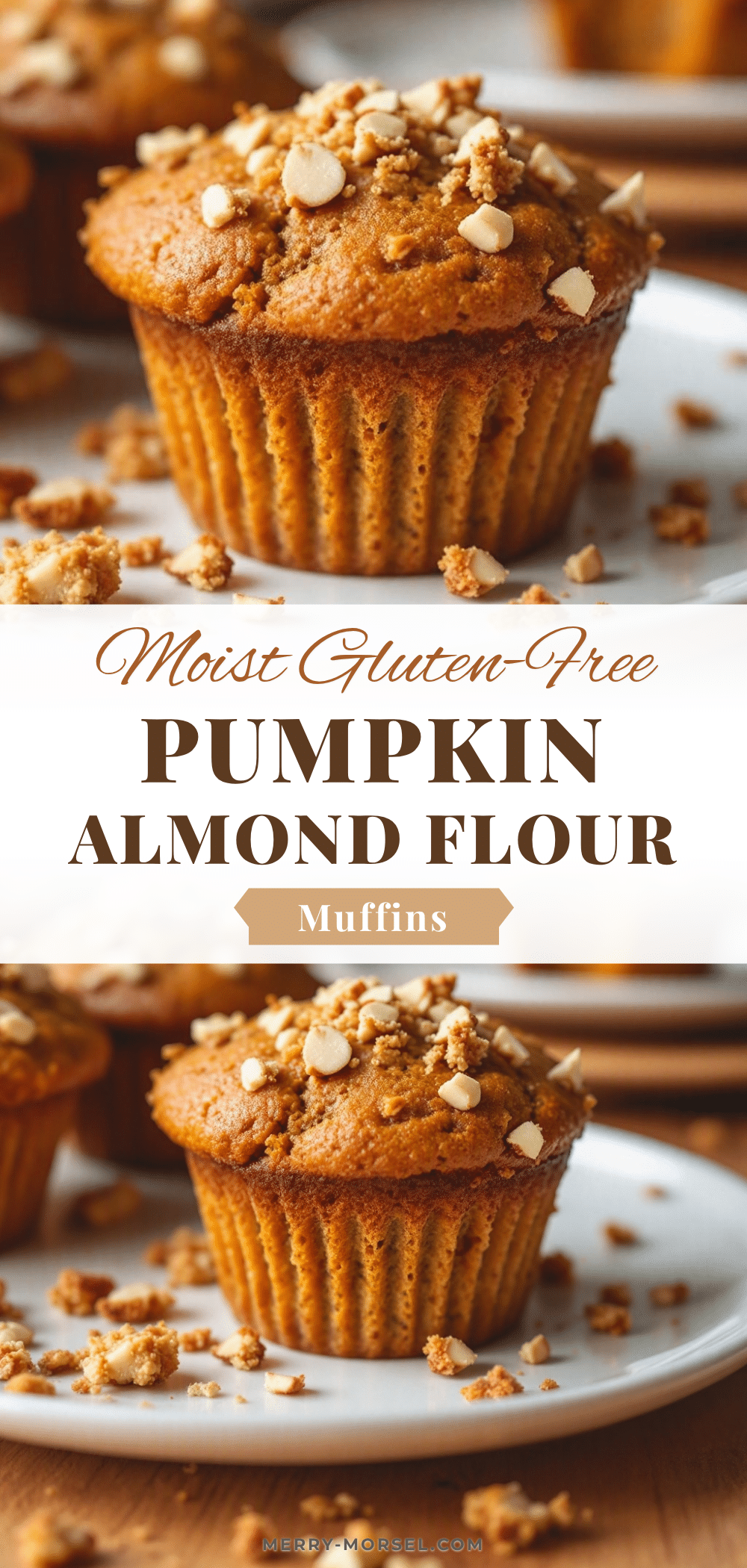
Moist Gluten-Free Pumpkin Muffins: Best Almond Flour Recipe

These moist, gluten-free pumpkin muffins use almond flour for a rich, nutty texture that stays soft for days. Perfect for cozy mornings, they are simple to make with wholesome ingredients and offer a healthier alternative to traditional wheat muffins.
- Prep Time: 12 minutes
- Cook Time: 25 minutes
- Total Time: 37 minutes
- Yield: 12 servings 1x
- Category: Breakfast
- Cuisine: American
Ingredients
- 1.5 cups fine, blanched almond flour
- 2 teaspoons baking powder
- 0.5 teaspoon baking soda
- 0.5 teaspoon kosher salt
- 1.5 teaspoons pumpkin pie spice (or cinnamon, ginger, nutmeg, cloves)
- 1 cup pumpkin puree (unsweetened)
- 2 large eggs (room temperature)
- 0.5 cup melted coconut oil or unsalted butter
- 0.75 cup brown sugar or coconut sugar
- 1 teaspoon vanilla extract
- Optional: Chopped pecans or walnuts, dark chocolate chips
Instructions
- Preheat oven to 350°F (175°C) and line a standard 12-cup muffin tin with paper liners.
- In a medium bowl, whisk together almond flour, baking powder, baking soda, salt, and spices until evenly distributed.
- In a separate bowl, whisk eggs until lightly beaten. Add pumpkin puree, melted coconut oil (or butter), brown sugar, and vanilla extract. Whisk until smooth and glossy.
- Pour the wet mixture into the dry ingredients. Fold gently with a spatula until the flour just disappears. Do not overmix; the batter should be thick and sticky.
- Divide the batter evenly among the 12 muffin cups, filling each about two-thirds full.
- Bake for 20-25 minutes, or until a toothpick inserted into the center comes out clean or with a few moist crumbs.
- Let muffins sit in the tin for 5 minutes, then transfer to a cooling rack to cool completely.
Notes
Ensure pumpkin puree is not watery; strain if necessary. Use room temperature ingredients to prevent seizing. Do not overbake as almond flour muffins continue to cook slightly after removal. Store in an airtight container for up to 4 days in the fridge or freeze for up to 3 months.
Nutrition
- Serving Size: 1 muffin
- Calories: 165
- Sugar: 7
- Sodium: 150
- Fat: 14
- Saturated Fat: 2
- Carbohydrates: 10
- Fiber: 2
- Protein: 4
Keywords: gluten-free, pumpkin muffins, almond flour, healthy baking, dairy-free, nut-free option, cozy breakfast, autumn recipes