Love this? Save it for later!
Share the inspiration with your friends
“I was halfway through a weekend road trip when I realized—no cooler, no ice packs, and a trunk full of hot food.” That moment last summer at the gas station parking lot in a tiny town outside Asheville was honestly a bit of a panic. I had packed a feast for the group, from steamy chicken thighs to fresh garlic mashed potatoes, and here I was, wondering how on earth I was going to keep everything warm without a cooler in sight.
Maybe you’ve been there—the kind of last-minute scramble when you want to bring your homemade dishes to a picnic or potluck but forgot the gear. Or you’re camping off-grid, trying to hold on to that fresh-cooked goodness while the sun sets. Well, let me tell you, figuring out easy ways to transport hot food without a cooler has saved me more times than I can count. It’s not just about keeping food warm; it’s about preserving those textures and flavors that make your meal feel like a hug after a long day.
That day, juggling foil-wrapped containers and borrowed towels from the car, I stumbled upon some surprisingly simple tricks that actually work. Some were trial and error, others little tips picked up from fellow travelers and food lovers. I mean, who knew that a regular insulated bag could do so much more with a bit of prep? Or that a hot water bottle could double as a mini food warmer? Honestly, these hacks have become my secret arsenal, and I’m excited to share them with you.
So, whether you’re headed to a tailgate, a family reunion, or just want to keep your homemade chili warm on the way to dinner, this guide will help you transport hot food without a cooler, easy and stress-free. Let’s face it, nobody wants cold mashed potatoes when they’re expecting comfort food magic!
Why You’ll Love This Recipe
Transporting hot food without a cooler might sound tricky, but after testing these methods over countless trips, potlucks, and camping weekends, I’m confident they’ll work for you too. Here’s why this approach stands out:
- Quick & Easy: These tips come together in minutes, perfect when you’re packing up and racing out the door.
- Simple Supplies: No special gadgets needed—most items are things you already own or can easily grab at home.
- Perfect for Traveling: Whether it’s a long car ride or a short walk to a picnic spot, these methods keep your food warm without bulky coolers.
- Crowd-Pleaser: Guests will think you’ve mastered food transport magic when your dishes arrive steaming hot.
- Unbelievably Practical: The combination of insulation tricks and smart container choices means less waste and less hassle.
What makes these tips different? It’s the little touches—wrapping containers in towels, preheating your transport bags, and even using household items like hot water bottles to maintain temperature. I remember once bringing garlic mashed potatoes to a family barbecue that stayed warm the entire trip, and everyone was amazed. This isn’t just about keeping food warm, it’s about preserving the love you’ve put into cooking it.
Honestly, if you’ve ever been stuck wondering how to keep your lasagna from turning into a lukewarm mess by the time you arrive, these easy ways to transport hot food without a cooler will change your game. You’ll have your delicious dishes arriving just as you intended, every time.
What Ingredients You Will Need
Transporting hot food isn’t about ingredients in the traditional sense, but rather the materials and tools that help keep your dishes warm and tasty. Think of these as your “ingredients” for success in hot food transport.
- Insulated Bags or Thermal Carriers: These are the MVPs for heat retention. Look for thick insulation and sturdy zippers. Brands like PackIt or Thermos have solid options.
- Heavy-Duty Aluminum Foil: Wrap your food containers tightly to trap heat and prevent moisture loss.
- Thick Towels or Blankets: Old kitchen towels, microfiber cloths, or even small fleece blankets work great for extra insulation.
- Hot Water Bottles or Heat Packs: Fill these with hot water or use reusable heat packs to add warmth around your containers. Make sure they’re sealed well!
- Airtight, Heat-Safe Containers: Ceramic, glass, or insulated stainless steel containers hold heat longer than plastic. I personally recommend Pyrex glass dishes with tight lids.
- Rubber Bands or String: To secure foil and towels snugly around containers, adding a bit of compression helps keep the heat in.
- Optional: Thermal Food Jars: For soups, stews, or gravies, these are excellent at keeping liquids hot for hours.
These items are mostly pantry or household staples, which makes packing hot food accessible and straightforward. Plus, swapping out items for what you have on hand works just fine—like using a thick sweater if you don’t have towels, or a clean sock filled with rice (heated in the microwave) as a makeshift heat pack.
Equipment Needed
Gathering the right tools makes all the difference when you want to transport hot food without a cooler. Here’s what I rely on:
- Insulated Tote or Thermal Carrier: Key for heat retention. If you don’t have a specialized bag, a sturdy canvas tote lined with towels can work.
- Heat-Safe Containers: Glass or ceramic dishes with tight-fitting lids are ideal. Avoid flimsy plastic ones that leak heat quickly.
- Heavy-Duty Aluminum Foil: For wrapping and additional insulation.
- Thick Towels or Blankets: For wrapping containers and filling empty spaces to reduce heat loss.
- Rubber Bands or Twine: To hold wraps securely in place.
- Hot Water Bottles or Reusable Heat Packs: These are great to nestle alongside your containers for extra warmth.
Honestly, I’ve often made do with what’s on hand—once, I used my old yoga mat rolled up as padding inside a tote. It worked surprisingly well! For budget-friendly options, thrift shops often have insulated bags or blankets that can serve double duty. Just remember to keep everything dry and clean for food safety.
Preparation Method
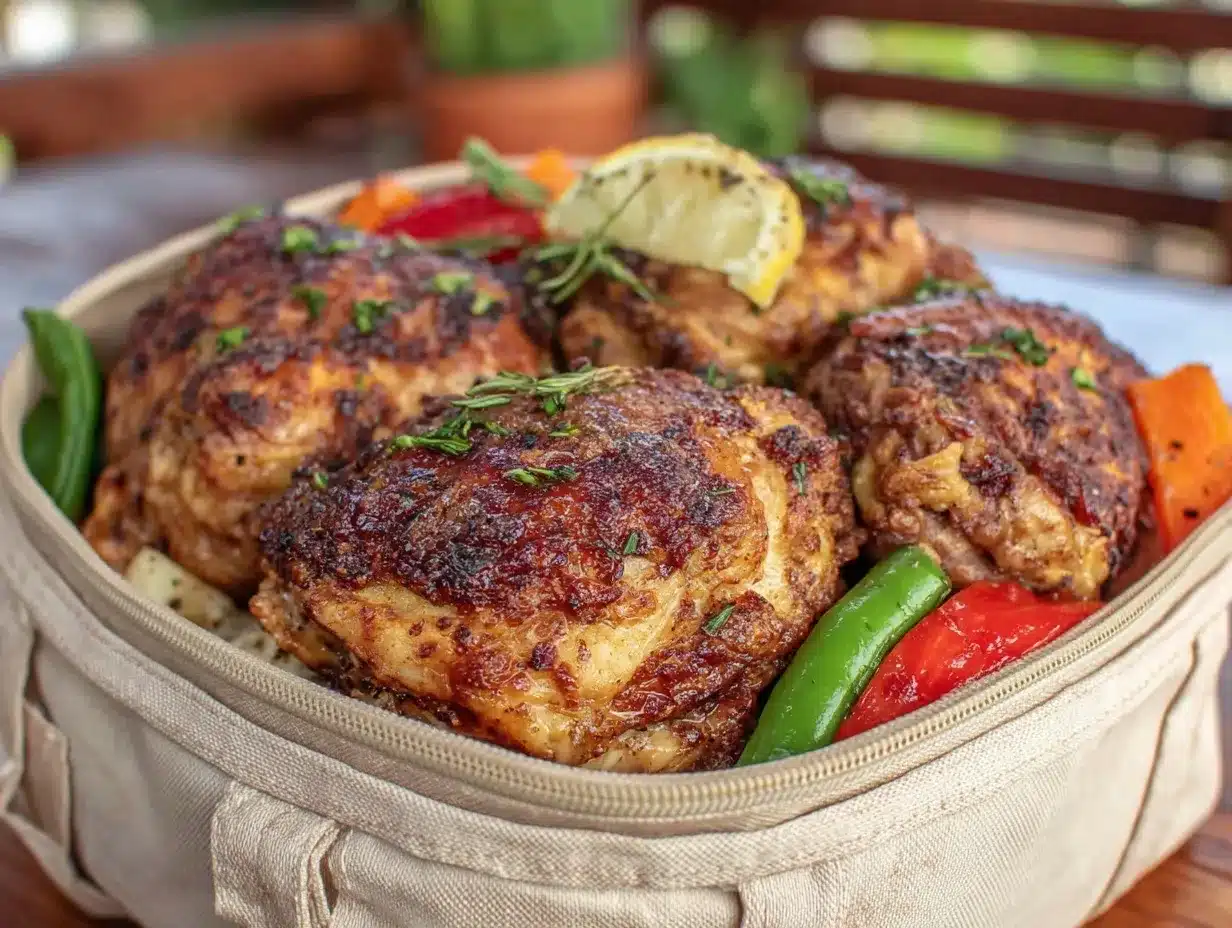
- Preheat Your Containers: Before you pack your food, warm up your glass or ceramic containers by filling them with hot water and letting them sit for about 5 minutes. This helps retain heat once you add your food.
- Cook Food to the Right Temperature: Make sure your dishes are piping hot before packing. This means fresh off the stove or out of the oven, ideally above 140°F (60°C).
- Wrap Food Securely: Place your hot food into the preheated containers, seal tightly, and then wrap the entire container in heavy-duty aluminum foil. This seals in moisture and heat.
- Use Towels or Blankets for Insulation: Wrap the foil-covered containers in thick towels or a small blanket. Use rubber bands or string to keep the wrapping snug. This extra layer slows heat loss dramatically.
- Prepare Your Transport Bag: Line the bottom of your insulated tote or thermal carrier with towels or a folded blanket. This adds cushioning and prevents heat from escaping through the bottom.
- Add Heat Sources: Nestle hot water bottles or microwaveable heat packs alongside your wrapped containers inside the tote. Be careful to avoid direct contact with food containers if they might leak.
- Fill Empty Spaces: Fill any gaps inside the bag with rolled towels or cloths to minimize air circulation, which cools the food.
- Seal and Transport: Close your tote securely and keep it in a warm, shaded spot during transport. Avoid opening the bag frequently to keep heat trapped inside.
- Time Management: Try to transport your food within 1-2 hours of packing for optimal warmth and freshness. If you’re on the road, plan stops to minimize bag openings.
One time, I forgot to preheat my containers and learned the hard way—the food cooled faster than expected. Now I never skip that step. Also, if you notice condensation inside your foil wrap, it means your food is still hot and releasing steam—perfect! Just be sure to keep the foil dry on the outside to avoid sogginess.
Cooking Tips & Techniques
Here are some expert tips I’ve picked up to make transporting hot food easier and more reliable:
- Choose the Right Containers: Avoid plastic containers for hot food transport. Glass or ceramic holds heat longer and won’t warp.
- Don’t Overfill Containers: Leave a little space at the top to prevent spills and allow heat circulation.
- Seal Containers Well: A tight lid prevents heat and moisture loss. If lids aren’t tight, add an extra layer of foil underneath.
- Wrap Immediately: Don’t let hot food cool on the counter before wrapping—seal in heat right away.
- Use Multiple Insulation Layers: Combining foil, towels, and an insulated bag traps heat better than any single method.
- Beware of Overheating: If using heat packs, make sure they aren’t too hot to avoid cooking your food further or causing burns.
- Plan Your Route: Minimize the time your food spends in transit. If you can, pack right before leaving to keep things fresh and warm.
I learned early on that multitasking while packing food can lead to forgotten steps. So now, I have a checklist to keep me on track. Also, warming the towels slightly in the dryer before wrapping can give you an added heat boost!
Variations & Adaptations
Depending on what you’re transporting or your unique needs, here are some ways to tweak these methods:
- For Soups and Sauces: Use a thermal food jar designed to keep liquids hot for hours. Wrap the jar in a towel and place it inside your insulated bag for extra warmth.
- Vegetarian or Vegan Options: These methods work equally well for plant-based dishes like lentil stews or roasted vegetables. Just make sure your containers are heat-safe and sealed tightly.
- Seasonal Adaptations: In colder months, add an extra blanket layer or use multiple hot water bottles. In summer, keep your tote in shaded areas to avoid heat loss from outside temperatures.
- Low-Equipment Variation: No insulated bag? Use a sturdy cardboard box lined with towels and foil. It’s not as efficient but still better than nothing.
- Personal Experiment: I once wrapped my containers in a rice-filled sock heated in the microwave as a heat pack substitute. It worked surprisingly well for a short trip!
Serving & Storage Suggestions
Once you arrive, here’s how to present and store your hot food for best enjoyment:
- Serve Immediately: Hot food is best enjoyed right away while it’s still steamy and fresh.
- Keep Covered: If you need to keep food warm at your destination, cover dishes with foil or a clean towel to retain heat.
- Complementary Dishes: Pair hot mains with fresh salads, crusty bread, or chilled beverages for a balanced meal.
- Storage: Leftovers should be refrigerated within two hours to stay safe. Transfer food to airtight containers once cooled.
- Reheating Tips: Reheat gently in the oven or microwave, adding a splash of water or broth to prevent drying out.
- Flavor Development: Some dishes, like stews or casseroles, actually taste better the next day after flavors meld in the fridge.
From personal experience, I find that wrapping leftovers in foil and popping them in the fridge overnight makes for a quick reheat lunch the next day—no fuss, just delicious.
Nutritional Information & Benefits
Since this post focuses on transporting hot food rather than a single recipe, nutritional info depends on what you’re bringing along. However, here are some general thoughts:
- Maintaining temperature helps preserve the texture and nutrients of your food, especially for dishes rich in vegetables and lean proteins.
- Using glass or ceramic containers avoids potential chemical leaching that some plastics might cause when heated.
- Keeping food hot reduces the risk of bacterial growth, making your meals safer to eat.
- If your dishes include whole grains, legumes, or fresh veggies, you’re packing a meal that’s balanced and nourishing.
- These transport methods support mindful eating by allowing you to share homemade food instead of relying on fast food or packaged snacks on the go.
Personally, I feel better knowing that the care I put into cooking translates into safe, tasty meals wherever I go.
Conclusion
Figuring out easy ways to transport hot food without a cooler has been a game-changer for me. It’s about more than just heat—it’s about caring for the food and the people who get to eat it. Whether you’re headed to a friend’s house, a picnic, or a camping trip, these simple tricks can keep your dishes warm and delicious with minimal fuss.
Don’t be afraid to experiment with wrapping techniques or use what you have on hand. I love this approach because it’s flexible, practical, and always reliable. If you try these tips, I’d love to hear how they worked for you or any hacks you’ve discovered along the way.
So next time you’re packing up a hot meal, remember: no cooler? No problem. Keep it warm, keep it tasty, and enjoy every bite!
FAQs
How long can hot food stay warm without a cooler?
With proper wrapping and insulation, hot food can stay warm for 1 to 2 hours. Using heat packs or hot water bottles can extend this time slightly.
Can I use plastic containers to transport hot food?
It’s best to avoid plastic for hot food transport because plastic doesn’t retain heat well and may warp. Glass or ceramic containers are preferable.
What if I don’t have an insulated bag?
You can line a sturdy box or tote with towels and blankets to create insulation. Wrapping food containers tightly with foil and towels helps retain heat too.
Is it safe to transport hot food without refrigeration?
You should transport hot food quickly and keep it above 140°F (60°C) to prevent bacteria growth. Avoid keeping food in the danger zone (40–140°F) for more than two hours.
Can I use these methods for cold food as well?
Yes! Insulated bags and wrapping techniques work well for keeping cold food cool too—just add ice packs instead of heat packs.
Pin This Recipe!
Easy Ways to Transport Hot Food Without a Cooler
This guide provides practical and simple tips to keep your hot food warm during transport without using a cooler, perfect for road trips, picnics, and potlucks.
- Prep Time: 10 minutes
- Cook Time: Varies depending on dish
- Total Time: 1-2 hours (including transport time)
- Yield: Varies depending on amount packed
- Category: Food Transport Tips
- Cuisine: Universal
Ingredients
- Insulated bags or thermal carriers
- Heavy-duty aluminum foil
- Thick towels or blankets
- Hot water bottles or heat packs
- Airtight, heat-safe containers (ceramic, glass, or insulated stainless steel)
- Rubber bands or string
- Optional: Thermal food jars
Instructions
- Preheat your glass or ceramic containers by filling them with hot water and letting them sit for about 5 minutes.
- Cook your food to a temperature above 140°F (60°C) before packing.
- Place hot food into the preheated containers and seal tightly.
- Wrap the containers in heavy-duty aluminum foil to trap heat and moisture.
- Wrap the foil-covered containers in thick towels or blankets and secure with rubber bands or string.
- Line the bottom of your insulated tote or thermal carrier with towels or a folded blanket for cushioning and insulation.
- Nestle hot water bottles or microwaveable heat packs alongside the wrapped containers inside the tote, avoiding direct contact with food containers.
- Fill any empty spaces inside the bag with rolled towels or cloths to minimize air circulation.
- Seal the tote securely and keep it in a warm, shaded spot during transport, avoiding frequent openings.
- Transport the food within 1-2 hours of packing for optimal warmth and freshness.
Notes
Preheat containers before packing food to retain heat better. Avoid plastic containers as they do not retain heat well. Use multiple insulation layers (foil, towels, insulated bag) for best results. Transport food within 1-2 hours to maintain temperature and food safety. Avoid direct contact between heat packs and food containers to prevent leaks or overheating. Warm towels slightly before wrapping for extra heat retention.
Nutrition
- Serving Size: Depends on the dish
Keywords: transport hot food, keep food warm, no cooler, insulated bags, food transport tips, travel food hacks, potluck food transport