Love this? Save it for later!
Share the inspiration with your friends
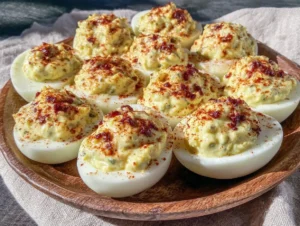
“Just a quick question—are you bringing deviled eggs to Easter brunch?” My sister texted me last spring, right when I was running around trying to pull together the whole meal. Honestly, deviled eggs were never my thing; I thought they’d be fiddly or old-school boring. But that year, I decided to give it a shot with this Easy Classic Easter Deviled Eggs Recipe. What started as a last-minute addition turned into the star of the table. The creamy, tangy filling nestled perfectly inside those smooth, halved whites—everyone kept coming back for more (and I mean everyone, from kids to the most picky eaters).
The smell of the mustard and paprika mingling with the eggs while I prepped quietly filled the kitchen with this cozy, familiar vibe. I wasn’t expecting much, but by the time I plated them, I had this strange, quiet feeling—like I’d just unlocked a simple, no-fuss dish that somehow felt like a warm hug on a plate. It’s funny how something so easy can carry so much nostalgia and still feel fresh. This recipe stuck with me because it’s the kind of classic that’s flexible, forgiving, and always welcome around the table.
Plus, it’s perfect for those moments when you want a little comfort food without the stress—like when you’re juggling multiple dishes or hosting unplanned guests. If you’re like me and usually skip the deviled eggs, this recipe might just change your mind in the best way possible.
Why You’ll Love This Recipe
After making these deviled eggs over and over, I can say with confidence that this recipe nails a balance of simplicity and flavor. Here’s why it stands out:
- Quick & Easy: You can whip this up in under 30 minutes, which is a lifesaver for busy holiday mornings or last-minute brunch plans.
- Simple Ingredients: No obscure items here—just basics you probably have on hand like eggs, mayo, mustard, and a few spices.
- Perfect for Easter Brunch: It’s a classic that fits right in with springtime celebrations and pairs well with everything else on the table.
- Crowd-Pleaser: Honestly, I’ve had this at potlucks and family dinners where it disappears faster than any other appetizer.
- Unbelievably Delicious: The creamy filling with just the right tang and a hint of smokiness from paprika makes every bite satisfying.
What sets this apart from other deviled egg recipes? Well, I like to blend my filling until it’s silky smooth, which feels a little indulgent but so worth it. Also, I add a pinch of vinegar and a touch of Dijon mustard that creates this subtle zip—not overpowering, but enough to make you sit up and notice. It’s not just a throwback dish; it’s a classic with personality.
This recipe has earned my trust after several Easter brunches and casual get-togethers. And if you ever want to switch things up, it’s a solid base for all sorts of flavor twists. But honestly, sometimes sticking to the original is just right—comfort food in its purest form.
What Ingredients You Will Need
This recipe uses simple, wholesome ingredients to deliver bold flavor and satisfying texture without any fuss. Most of these are pantry staples, so you won’t need a special trip to the store.
- Large eggs (about 12) – the star of the show. I always pick free-range if I can, for that richer yolk color.
- Mayonnaise (½ cup / 120 ml) – for creamy, smooth filling. I like using Hellmann’s for consistent texture.
- Dijon mustard (1 tablespoon) – adds a subtle tang and depth to the filling.
- White vinegar (1 teaspoon) – brightens the flavor just a bit without being sharp.
- Salt (½ teaspoon) – balances all the flavors.
- Black pepper (¼ teaspoon) – freshly ground for a little kick.
- Smoked paprika (1 teaspoon) – for that classic smoky finish and a pop of color. Regular paprika works too if you prefer less smokiness.
- Optional garnish: fresh chives, dill, or extra paprika for topping. Fresh herbs add a lovely pop and make the eggs look extra inviting.
If you want to keep it dairy-free, mayo is your best friend here, but swapping in Greek yogurt (about ¼ cup / 60 ml) can add a fresh tang and lighten it up. Also, if you’re aiming for a lower-fat version, try mixing half mayo and half plain yogurt.
For seasonal flair, I sometimes sprinkle a tiny bit of finely chopped pickles or capers into the yolk mix for an occasional twist that guests love. But honestly, this classic version is so good that I usually keep it simple.
Equipment Needed
Making these deviled eggs doesn’t call for fancy kitchen gadgets, but having the right tools can make the process smoother.
- Large pot for boiling eggs – a sturdy pot with a lid works best to steam or boil evenly.
- Slotted spoon – handy for gently transferring eggs into ice water without cracking.
- Bowl of ice water – critical for stopping the cooking and making peeling easier.
- Mixing bowl – to combine the yolk filling.
- Fork or whisk – for mashing and mixing the yolks smoothly.
- Piping bag or zip-top bag (optional) – for neatly filling the egg whites. You can also use a spoon if you don’t have one.
- Small knife – to halve the eggs cleanly.
I’ve tried plastic egg slicers before, but they tend to smash the whites, so I stick with a sharp knife. Also, when it comes to piping, a simple zip-top bag with the corner snipped off works just as well as a fancy piping bag—and cleanup is a breeze.
Preparation Method
- Boil the eggs: Place 12 large eggs in a single layer in a large pot and cover with cold water by about an inch (2.5 cm). Bring to a rolling boil over medium-high heat (about 10 minutes). Once boiling, cover the pot and remove it from heat. Let the eggs sit, covered, for 12 minutes to finish cooking gently.
- Cool and peel: Transfer eggs immediately to a bowl of ice water to cool for at least 5 minutes. This helps stop cooking and makes peeling easier. Gently tap and roll each egg to crack the shell, then peel under running water if needed to remove stubborn bits.
- Halve the eggs: Slice each egg lengthwise with a sharp knife. Carefully remove the yolks and place them in a mixing bowl. Arrange the whites on a serving platter.
- Prepare the filling: Mash the yolks with a fork until smooth. Add ½ cup (120 ml) mayonnaise, 1 tablespoon Dijon mustard, 1 teaspoon white vinegar, ½ teaspoon salt, and ¼ teaspoon black pepper. Mix well until creamy and silky. Taste and adjust seasoning if necessary.
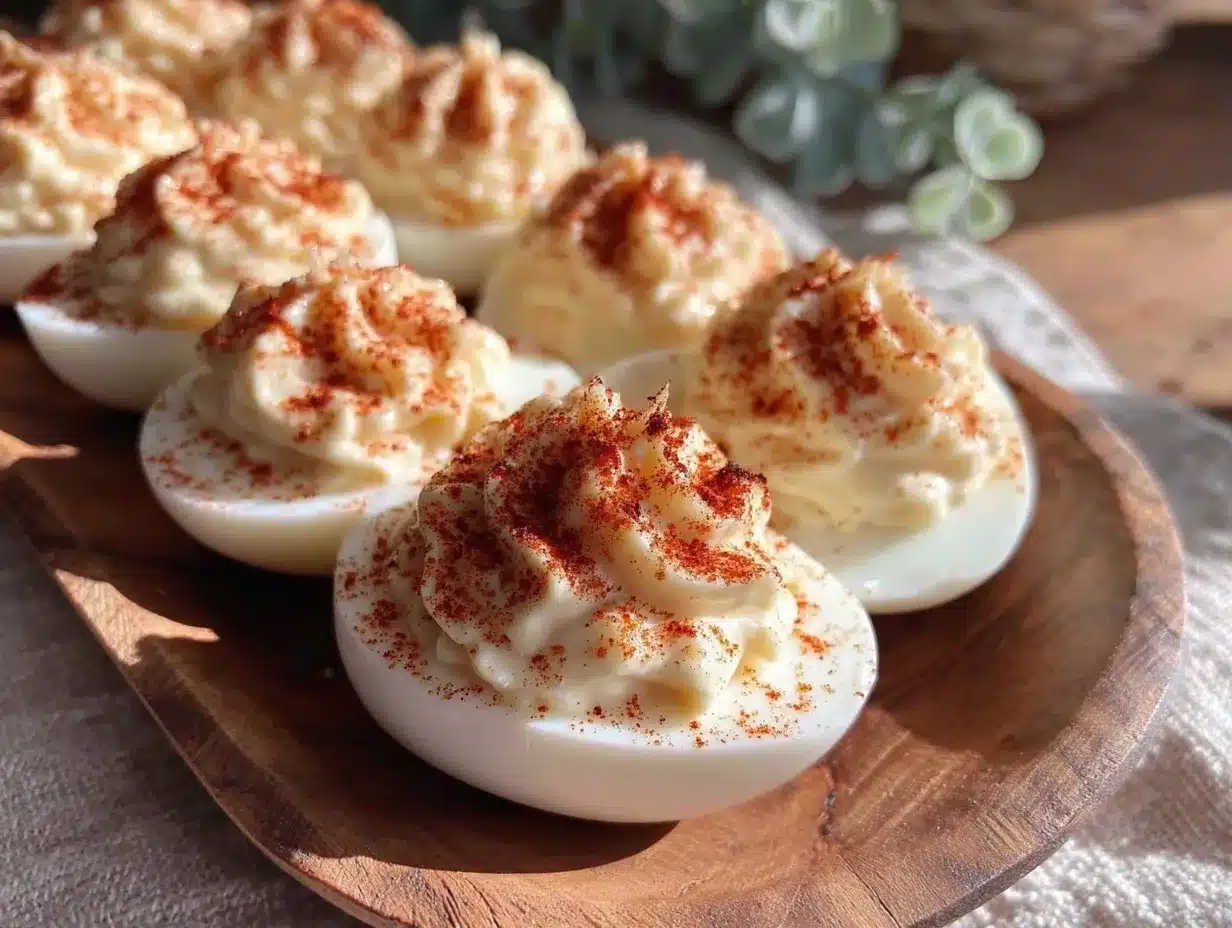
- Fill the eggs: Spoon or pipe the yolk mixture back into the egg white halves. If you’re piping, fill a piping bag or zip-top bag with the filling and snip the tip for neat results.
- Garnish: Sprinkle the tops with 1 teaspoon smoked paprika for color and flavor. Add optional fresh herbs like chopped chives or dill if you like.
- Chill before serving: Refrigerate the deviled eggs for at least 30 minutes to let flavors meld and filling set. Serve chilled or at room temperature.
Some quick tips: don’t overcook the eggs or the yolks turn powdery and dry. The ice bath is your best friend here—it stops cooking immediately. Also, if your filling feels too thick, a splash of milk or more mayo can soften it without losing creaminess. I often make these a few hours ahead, which makes the flavors even better.
Cooking Tips & Techniques
One trick I learned the hard way is that fresh eggs are actually harder to peel. For deviled eggs, eggs that are at least a week old peel better. If you buy fresh eggs, try boiling them a day or two in advance.
When boiling, use a gentle simmer rather than a rolling boil to avoid cracked shells and greenish yolk rings. The greenish tinge comes from overcooking and isn’t harmful but can make your eggs look less appealing.
For the filling, patience counts. Mashing the yolks thoroughly before adding the wet ingredients helps create that velvety texture everyone loves. If you want to get fancy, pushing the yolks through a fine sieve can make it ultra-smooth, but I usually just mash well with a fork.
Also, when it comes to piping, try to keep the bag perpendicular to the white halves and fill gently to avoid tearing. If you don’t have a piping bag, a small spoon works fine, though the presentation is a bit rustic.
Multitasking tip: While the eggs are cooling, you can prep your other brunch components. I sometimes make my hidden vegetable pasta sauce or prep a batch of crispy smashed baby potatoes alongside for a crowd-pleasing spread.
Variations & Adaptations
This classic recipe is a perfect base for experimenting—here are some ideas I’ve tried or want to try:
- Spicy Deviled Eggs: Add a dash of hot sauce or cayenne pepper to the filling for a little heat kick. Jalapeño slices on top make a fun garnish.
- Avocado Deviled Eggs: Replace half the mayo with mashed avocado for a creamy, green twist with healthy fats.
- Herb & Garlic: Mix in finely chopped fresh herbs like tarragon, parsley, or dill with a pinch of garlic powder for extra flavor depth.
- Mustard Variations: Swap Dijon for spicy brown mustard or honey mustard for a different tang profile.
- For an allergen-friendly version: Use vegan mayo and skip paprika if sensitive, or try smoked turmeric as a mild alternative.
I once brought a batch with curry powder mixed into the yolk filling to a potluck, and it was an unexpected hit. The key is to keep the egg whites balanced so the filling shines without overpowering.
Serving & Storage Suggestions
Serve your deviled eggs chilled or at room temperature, ideally within a couple of hours of plating. They look so pretty on a simple white platter sprinkled with fresh herbs or a dusting of paprika. I often add lemon wedges on the side to brighten the plate.
These eggs pair beautifully with nearly anything—think spring salads, fresh fruit, or even a rich main like a creamy chicken pasta, similar to my Marry Me Chicken Pasta for an elegant brunch spread.
Store leftovers covered in the refrigerator for up to 3 days. I recommend keeping the yolk filling and whites together as the flavors meld nicely, but if you have to prep early, store filling and whites separately for best texture. When reheating, avoid microwaving—just bring to room temperature and enjoy.
Over time, the filling’s tangy notes deepen, so the next-day eggs often taste even better. Just keep an eye on freshness and texture.
Nutritional Information & Benefits
This Easy Classic Easter Deviled Eggs Recipe offers a satisfying balance of protein and healthy fats, making it a filling appetizer or snack. A serving of two deviled eggs typically contains around 140 calories, 11 grams of fat, and 7 grams of protein.
Eggs provide essential nutrients like vitamin B12, selenium, and choline, which support brain health and metabolism. The addition of mayonnaise adds richness but also calories, so adjusting mayo quantity can lighten the dish.
This recipe is naturally gluten-free and can be adapted for low-carb or keto diets by keeping the filling simple and skipping sugary additions. For those watching sodium intake, you can reduce the salt or use low-sodium mustard.
From a wellness perspective, deviled eggs are a nostalgic treat that can fit comfortably into balanced eating without feeling like a compromise.
Conclusion
In the end, this Easy Classic Easter Deviled Eggs Recipe is one of those dishes that feels like a cozy tradition but is simple enough for any home cook to pull off confidently. Whether you’re prepping for a holiday brunch or a casual get-together, these deviled eggs bring a touch of creamy, tangy joy that’s hard to beat.
Feel free to tweak the filling or garnish to suit your taste—this recipe welcomes your personal touch. It’s become a quiet favorite in my kitchen, and I hope it finds a place in yours too.
If you give it a try, I’d love to hear how you customize your deviled eggs or what occasions you serve them for. Sharing little food stories like this always makes cooking feel more connected and fun.
Happy cooking and happy Easter!
FAQs about Easy Classic Easter Deviled Eggs Recipe
How do I make deviled eggs ahead of time?
You can boil and peel the eggs up to 2 days in advance and keep them refrigerated. Prepare the filling and store it separately. Assemble the eggs a few hours before serving for best texture and freshness.
What’s the best way to peel hard-boiled eggs easily?
After boiling, immediately place eggs in an ice water bath for at least 5 minutes. This cools them quickly and helps separate the membrane from the shell, making peeling easier.
Can I use a different type of mustard?
Yes, Dijon mustard is classic here, but spicy brown or honey mustard can add unique flavors. Just adjust the quantity to taste since flavors vary in strength.
Are deviled eggs safe to eat if left out overnight?
No, deviled eggs should not be left at room temperature for more than 2 hours to avoid bacterial growth. Always refrigerate leftovers promptly.
Can I make deviled eggs without mayonnaise?
Absolutely! You can substitute mayo with Greek yogurt, mashed avocado, or a combination of both for a lighter or different flavor profile.
Pin This Recipe!

Easy Classic Easter Deviled Eggs Recipe Perfect for Holiday Brunch
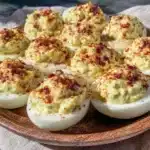
A quick and easy deviled eggs recipe with a creamy, tangy filling perfect for Easter brunch or any holiday gathering. This classic dish is simple, crowd-pleasing, and full of nostalgic flavor.
- Prep Time: 15 minutes
- Cook Time: 22 minutes
- Total Time: 37 minutes
- Yield: 24 deviled egg halves (12 eggs, 2 halves each) 1x
- Category: Appetizer
- Cuisine: American
Ingredients
- 12 large eggs (preferably free-range)
- ½ cup (120 ml) mayonnaise
- 1 tablespoon Dijon mustard
- 1 teaspoon white vinegar
- ½ teaspoon salt
- ¼ teaspoon freshly ground black pepper
- 1 teaspoon smoked paprika
- Optional garnish: fresh chives, dill, or extra paprika
Instructions
- Place 12 large eggs in a single layer in a large pot and cover with cold water by about an inch (2.5 cm). Bring to a rolling boil over medium-high heat (about 10 minutes). Once boiling, cover the pot and remove it from heat. Let the eggs sit, covered, for 12 minutes to finish cooking gently.
- Transfer eggs immediately to a bowl of ice water to cool for at least 5 minutes. This helps stop cooking and makes peeling easier. Gently tap and roll each egg to crack the shell, then peel under running water if needed to remove stubborn bits.
- Slice each egg lengthwise with a sharp knife. Carefully remove the yolks and place them in a mixing bowl. Arrange the whites on a serving platter.
- Mash the yolks with a fork until smooth. Add ½ cup (120 ml) mayonnaise, 1 tablespoon Dijon mustard, 1 teaspoon white vinegar, ½ teaspoon salt, and ¼ teaspoon black pepper. Mix well until creamy and silky. Taste and adjust seasoning if necessary.
- Spoon or pipe the yolk mixture back into the egg white halves. If piping, fill a piping bag or zip-top bag with the filling and snip the tip for neat results.
- Sprinkle the tops with 1 teaspoon smoked paprika for color and flavor. Add optional fresh herbs like chopped chives or dill if desired.
- Refrigerate the deviled eggs for at least 30 minutes to let flavors meld and filling set. Serve chilled or at room temperature.
Notes
Use eggs that are at least a week old for easier peeling. Avoid overcooking eggs to prevent greenish yolk rings and dry texture. If filling is too thick, add a splash of milk or more mayo. Prepare eggs a few hours ahead for better flavor melding. Store leftovers covered in the refrigerator for up to 3 days. Avoid microwaving leftovers; bring to room temperature before serving.
Nutrition
- Serving Size: 2 deviled egg halves
- Calories: 140
- Sodium: 210
- Fat: 11
- Saturated Fat: 2
- Carbohydrates: 1
- Protein: 7
Keywords: deviled eggs, Easter brunch, classic deviled eggs, holiday appetizer, easy deviled eggs, creamy filling, smoked paprika