Love this? Save it for later!
Share the inspiration with your friends
“I wasn’t planning to become a pumpkin expert,” I admit, “but there I was, standing in the grocery aisle, staring blankly at two cans labeled ‘pumpkin puree’ and ‘pumpkin pie filling’.” It was an ordinary Wednesday afternoon at my local market, yet this little moment sparked a curious obsession. You know that feeling when something simple suddenly feels like a big deal? That’s exactly what happened. I grabbed both cans, thinking, “How different can they really be?”
Turns out, pretty different! The kind clerk told me that confusing these two could make or break your pumpkin recipes. Honestly, I had been using pumpkin pie filling in soups and savory dishes without realizing the extra sugar and spices might be sabotaging my meals. It reminded me of the time I accidentally used baking soda instead of baking powder—chaos in the kitchen, but a lesson well learned.
This little discovery led me down a path of testing, tasting, and tweaking. I spent evenings experimenting with pumpkin puree and pie filling in everything from pies to pancakes to pumpkin smoothies. Maybe you’ve been there too—wondering why your pumpkin dishes don’t quite taste right or why they sometimes turn out too sweet or too bland. Well, that confusion ends here. Let me tell you why understanding the difference between pumpkin puree and pie filling is key to getting those fall flavors just right every time.
Why You’ll Love This Recipe
After plenty of kitchen trials and taste tests, I can confidently say this guide will save you time, money, and a whole lot of guesswork. Whether you’re a pumpkin novice or a seasoned pie pro, knowing what to use and when makes a huge difference.
- Clear Distinction: Understand the unique roles of pumpkin puree and pie filling in recipes.
- Less Waste: Avoid buying the wrong ingredient and having to toss it or awkwardly repurpose it.
- Perfect Results: Nail the texture and flavor of your pumpkin dishes every single time.
- Simple Ingredients: Both options are pantry staples, but using them wisely makes cooking easier.
- Versatile: Learn which one to use for everything from savory soups to classic pumpkin pies.
This isn’t just about pumpkin—it’s about making your recipes work without frustration. I’ve tested these tips with friends, family, and even my picky neighbor (who now asks for pumpkin pancakes on weekends). This guide will help you avoid the pumpkin pitfalls and enjoy the season’s best flavors with confidence.
What Ingredients You Will Need
This guide focuses on the two star ingredients themselves, but I’ll also highlight common additions that pair well depending on your recipe. Both pumpkin puree and pie filling can be enhanced or substituted thoughtfully.
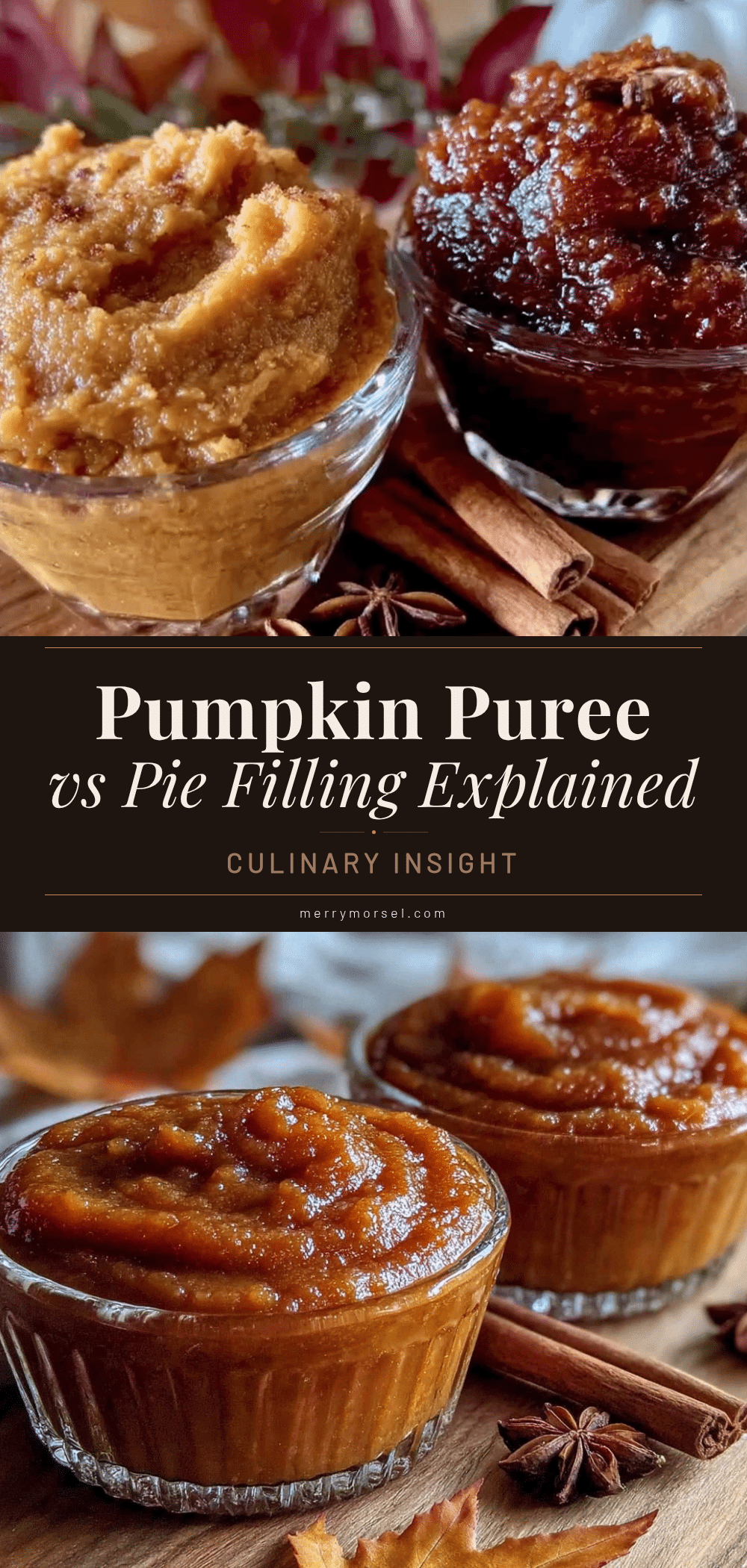
- Pumpkin Puree: Made from cooked, mashed pumpkin without added sugar or spices. Choose plain, unsweetened canned pumpkin from trusted brands like Libby’s or Farmer’s Market Organic for the best texture.
- Pumpkin Pie Filling: Includes added sugar, cinnamon, nutmeg, and sometimes clove or ginger. Great for ready-made pies or sweet dishes but not ideal for savory recipes.
Additional ingredients that commonly accompany pumpkin recipes include:
- Brown sugar or maple syrup (for sweetness control)
- Ground cinnamon, nutmeg, ginger, cloves (for warming spices)
- Heavy cream or coconut milk (adds richness)
- Eggs (for binding in baked goods)
- All-purpose or gluten-free flour (for structure in pies and breads)
If you’re aiming for gluten-free or dairy-free recipes, many pumpkin dishes adapt well by swapping flours or using coconut yogurt. For fresh pumpkin enthusiasts, roasted and pureed pie pumpkins can replace canned puree with a brighter flavor and chunkier texture.
Equipment Needed
- Mixing bowls – essential for combining ingredients smoothly.
- Measuring cups and spoons – precise measurements make a big difference, especially when dealing with spices and sugar.
- Whisk or electric mixer – helps achieve creamy, uniform batter or filling.
- Rubber spatula – perfect for scraping every bit of pumpkin goodness out of the bowl.
- Oven or stovetop – depending on the recipe, you’ll need reliable heat.
- Pie dish or baking pan – choose a 9-inch pie plate or similarly sized pan for pies and casseroles.
If you’re making fresh pumpkin puree, a food processor or blender is handy but not mandatory—you can mash cooked pumpkin by hand for a rustic texture. For budget-friendly kitchens, using hand tools like a fork and whisk works just fine, though it takes a bit more elbow grease.
Preparation Method
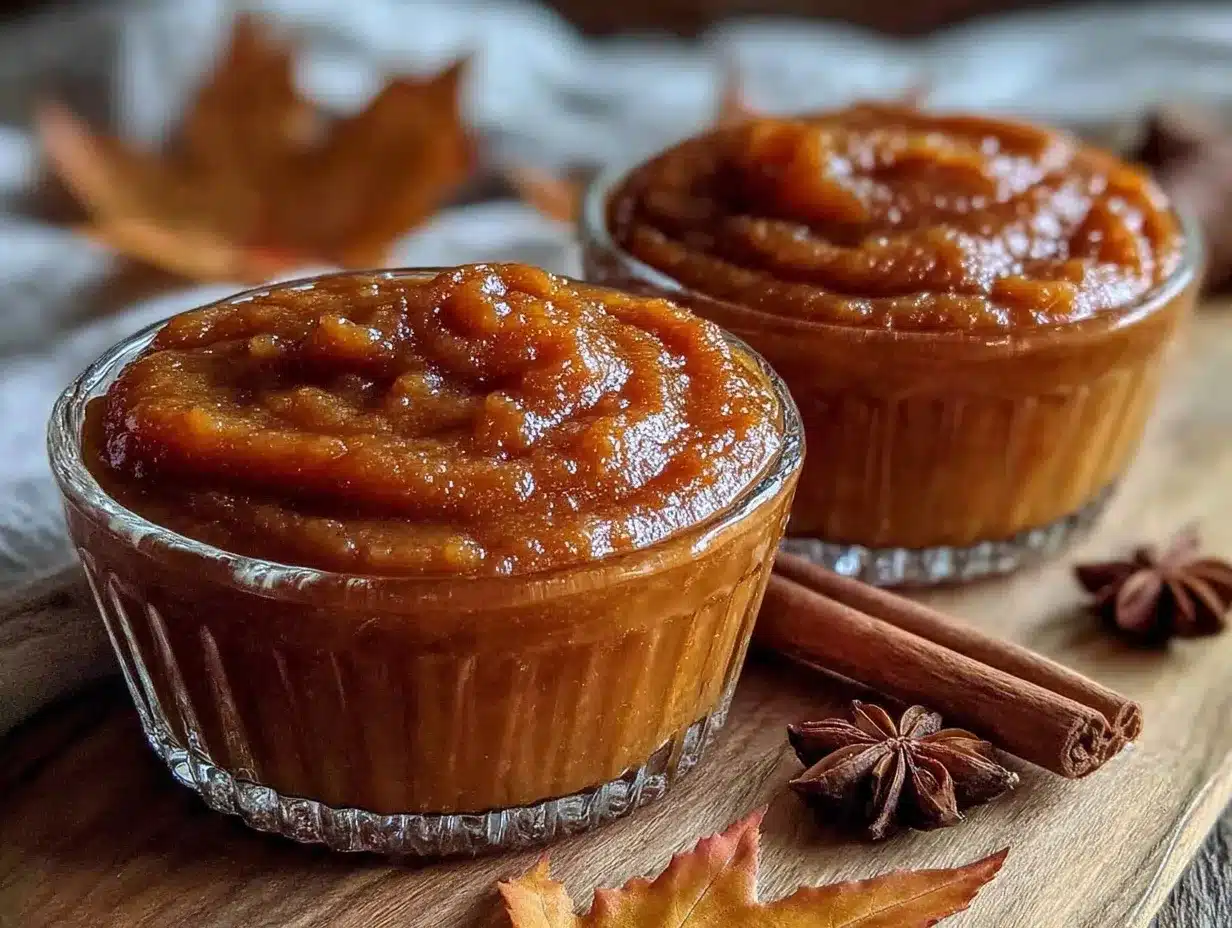
- Choosing Your Pumpkin Base: Decide if your recipe calls for pumpkin puree or pie filling. For savory dishes or recipes where you control the seasoning, pumpkin puree is best. For classic pumpkin pie or desserts where sweetness and spice are built-in, pie filling works perfectly.
- Measuring Ingredients: Use 1 cup (240 ml) of pumpkin puree if substituting for 1 cup of pie filling, but remember to add your own sugar and spices accordingly.
- Adjusting Sweetness: If using puree in a pie recipe, add ¾ cup (150 g) granulated sugar and 1 teaspoon cinnamon, ½ teaspoon nutmeg, ¼ teaspoon cloves, and a pinch of salt to mimic pie filling flavor.
- Mixing: Combine pumpkin base with eggs (usually 2 large eggs), cream or evaporated milk (1 cup/240 ml), and your sweeteners and spices. Whisk until smooth and slightly thickened, about 2-3 minutes.
- Baking: Pour mixture into a greased 9-inch pie dish. Bake in a preheated oven at 350°F (175°C) for 50-60 minutes. The filling should be set but slightly jiggly in the center.
- Cooling: Let the pie cool completely on a wire rack before slicing. This sets the filling and enhances flavor.
- Savory Uses: For soups or stews, add pumpkin puree directly to the pot without additional sugar or spices. Adjust seasonings with herbs, salt, and pepper to taste.
Pro tip: If you accidentally use pumpkin pie filling in a savory dish, balance sweetness by adding acidity like lemon juice or vinegar, and extra salt or spices. Mistakes happen—I’ve been there, and it’s salvageable!
Cooking Tips & Techniques
Here are some insider tricks I picked up through trial and error:
- Always Read Labels: Many people confuse pumpkin puree and pie filling because they look similar. Check for added sugar or spices on the label to avoid surprises.
- Don’t Overmix: Overwhipping your pumpkin mixture can introduce air bubbles, which cause cracks or holes in pies.
- Use Room Temperature Eggs: They blend more evenly, giving a smoother texture.
- Blind Baking Pie Crust: For a crisp crust, pre-bake it for 10 minutes before adding pumpkin filling.
- Test Doneness: Insert a toothpick in the center of baked pumpkin dishes. If it comes out clean or with moist crumbs, it’s ready.
- Multitasking: While your pie bakes, prepare whipped cream or a simple glaze for a next-level finish.
One time, I forgot to blind bake and ended up with a soggy crust. Lesson learned: a crisp crust makes all the difference between a good pie and a great one.
Variations & Adaptations
Want to mix things up? Here are some ideas to customize your pumpkin experience:
- Vegan Pumpkin Pie: Swap eggs with flaxseed meal (1 tablespoon flaxseed + 3 tablespoons water = 1 egg) and use coconut cream instead of dairy.
- Spicy Pumpkin Soup: Use pumpkin puree with added chili powder, cumin, and a splash of lime for a warming, savory soup.
- Sweet Pumpkin Pancakes: Incorporate pumpkin pie filling into pancake batter for a quick fall breakfast with built-in spice.
- Low-Sugar Option: Use pumpkin puree and sweeten lightly with maple syrup or honey, controlling sugar levels yourself.
- Seasonal Twist: Add fresh ginger or cardamom for a fragrant upgrade to pumpkin dishes.
Personally, I love adding a bit of espresso powder to my pumpkin pie filling—it deepens the flavor without making it taste like coffee. Just a little secret I picked up from a local café.
Serving & Storage Suggestions
Serve pumpkin pies chilled or at room temperature with a dollop of whipped cream or a sprinkle of toasted pecans for texture contrast. Pumpkin soups are best enjoyed hot, garnished with fresh herbs or a swirl of cream.
Store leftover pumpkin dishes in airtight containers in the refrigerator for up to 4 days. Pumpkin pies freeze well too—wrap tightly in plastic wrap and foil, then freeze for up to 2 months. Thaw overnight in the fridge before serving.
Reheat pumpkin soups gently on the stove, stirring often to prevent scorching. Pies can be warmed slightly in a 300°F (150°C) oven for 10 minutes to refresh the crust.
Flavors often develop and deepen after a day or two, especially in pumpkin-based casseroles or pies, so don’t rush to finish them all at once!
Nutritional Information & Benefits
Pumpkin puree is low in calories but high in fiber, vitamins A and C, and antioxidants like beta-carotene. It’s a great way to add nutrients and natural sweetness to meals without excess fat or sugar.
Pie filling contains added sugars and spices, so it’s more indulgent and best enjoyed in moderation. For those watching carbs or sugar intake, sticking with plain puree and controlling sweeteners is a smarter choice.
Both pumpkin types are gluten-free, making them accessible for many diets. Just watch for added ingredients in pie filling if allergies are a concern.
From a wellness perspective, I appreciate pumpkin puree’s versatility—it lets me create hearty, nutritious dishes that satisfy cravings and keep energy steady during busy days.
Conclusion
Understanding the difference between pumpkin puree and pumpkin pie filling is a game changer for anyone who loves seasonal cooking. It makes your recipes more predictable, delicious, and tailored to your taste. I love how this knowledge has made my pumpkin creations more confident and enjoyable—no more guessing or last-minute fixes!
Feel free to adjust sugar and spice levels based on what you like. Maybe you prefer a less sweet pumpkin pie or a more savory pumpkin soup. This guide is here to help you get the base right so that you can customize freely.
Now it’s your turn. Experiment with pumpkin puree and pie filling in your favorite dishes, and share your own pumpkin stories or twists in the comments below. Let’s keep the pumpkin love going strong!
FAQs
What’s the main difference between pumpkin puree and pie filling?
Pumpkin puree is just cooked and mashed pumpkin without added sugar or spices, while pie filling includes sugar, cinnamon, nutmeg, and other spices.
Can I substitute pumpkin pie filling for pumpkin puree in recipes?
You can, but pie filling is sweeter and spiced, which may not suit savory dishes or recipes where you want to control sweetness and flavor.
Is canned pumpkin puree the same as fresh pumpkin puree?
Canned pumpkin puree is usually smoother and more consistent, while fresh puree can be chunkier and more variable in flavor depending on the pumpkin used.
How should I store leftover pumpkin pie?
Keep pumpkin pie refrigerated in an airtight container for up to 4 days. It can also be frozen for up to 2 months if wrapped well.
Can pumpkin puree be used in savory dishes?
Absolutely! Pumpkin puree is great in soups, stews, sauces, and even pasta dishes because it has no added sugar or spices.
Pin This Recipe!
Pumpkin Pie Using Pumpkin Puree
A guide and recipe for making perfect pumpkin pie using pumpkin puree, explaining the difference between pumpkin puree and pie filling and how to adjust ingredients for ideal flavor and texture.
- Prep Time: 15 minutes
- Cook Time: 50-60 minutes
- Total Time: 1 hour 5 minutes
- Yield: 8 servings 1x
- Category: Dessert
- Cuisine: American
Ingredients
- 1 cup (240 ml) pumpkin puree
- 3/4 cup (150 g) granulated sugar
- 1 teaspoon ground cinnamon
- 1/2 teaspoon ground nutmeg
- 1/4 teaspoon ground cloves
- Pinch of salt
- 2 large eggs
- 1 cup (240 ml) heavy cream or evaporated milk
- 9-inch pie crust (pre-baked if desired)
Instructions
- Preheat oven to 350°F (175°C).
- Choose pumpkin puree for this recipe to control sweetness and spices.
- In a mixing bowl, combine pumpkin puree with sugar, cinnamon, nutmeg, cloves, and salt.
- Add eggs and cream or evaporated milk to the pumpkin mixture.
- Whisk the mixture until smooth and slightly thickened, about 2-3 minutes.
- Pour the filling into a greased 9-inch pie dish.
- Bake for 50-60 minutes until the filling is set but slightly jiggly in the center.
- Let the pie cool completely on a wire rack before slicing to set the filling and enhance flavor.
Notes
Use room temperature eggs for smoother texture. Avoid overmixing to prevent air bubbles that cause cracks. Blind bake pie crust for 10 minutes for a crispier crust. Test doneness with a toothpick. Adjust sugar and spices to taste. For savory dishes, use pumpkin puree without added sugar or spices.
Nutrition
- Serving Size: 1 slice (1/8 of pie)
- Calories: 320
- Sugar: 25
- Sodium: 210
- Fat: 18
- Saturated Fat: 10
- Carbohydrates: 36
- Fiber: 3
- Protein: 5
Keywords: pumpkin puree, pumpkin pie, pumpkin pie filling, pumpkin recipes, fall recipes, pumpkin dessert, baking, pie filling substitution